The demand for eco-friendly alternatives has grown significantly as the world moves toward sustainable living. From shopping bags to food containers, individuals and businesses are now choosing products that reduce their environmental impact. The shift from plastic and traditional paper cups to more sustainable options like bagasse cups has gained notable attention. But how do bagasse cups compare to paper cups in terms of sustainability, cost-effectiveness, and functionality? Let’s break it down.
Understanding the Basics: What Are Bagasse and Paper Cups?
Bagasse Cups: Bagasse is the fibrous residue left after extracting juice from sugarcane. Once considered agricultural waste, it is now used to make various biodegradable products, including bagasse cups and bagasse tableware. These cups are compostable, strong, heat-resistant, and an excellent alternative to plastic and paper cups. The transformation of this waste product into usable items also reduces landfill pressure and promotes the upcycling of agro-industrial waste.
Paper Cups: Paper cups are commonly made from wood pulp and often lined with a thin layer of plastic (usually polyethylene) to make them waterproof. Although paper is a renewable resource, the plastic lining makes these cups difficult to recycle and non-biodegradable in most environments. Despite being widely used in cafes and offices, traditional paper cups are often disposed of incorrectly, adding to environmental waste concerns.
Production and Environmental Impact
Raw Material Sourcing: Bagasse is a by-product of sugar production, meaning its use doesn’t require cutting down additional plants or trees. Utilizing this agricultural residue reduces waste and supports a circular economy. Moreover, using bagasse in manufacturing bagasse products significantly decreases reliance on forest resources and conserves biodiversity.
On the other hand, paper cups typically rely on virgin wood pulp, contributing to deforestation and increased water consumption in the production process. The environmental burden of sourcing timber for paper products is substantial, especially when the demand for disposable tableware grows globally.
Manufacturing Process: Manufacturing bagasse products generally consumes less energy than paper products. Additionally, fewer chemicals are used in bagasse processing, which results in lower air and water pollution levels. Using clean and green production techniques in bagasse manufacturing makes it an environmentally responsible choice.
Paper cup manufacturing involves bleaching agents and significant energy to form the paper and apply the plastic lining, making it a less environmentally friendly process overall. The chemical processes used in paper production can release harmful effluents into water bodies and increase carbon emissions during processing.
Decomposition and Waste Management
Bagasse Cups: One of the most substantial advantages of bagasse cups is their biodegradability. Under the right composting conditions, sugarcane bagasse products can break down within 60 to 90 days. This makes them ideal for municipal composting facilities and even home composting setups. Because they decompose into natural elements, bagasse tableware is biodegradable and contributes to healthier soil when composted.
Paper Cups: Despite the name, paper cups are not easily recyclable due to their plastic lining. Most recycling facilities do not separate the paper from the plastic, causing these cups to end up in landfills. In landfills, they can take years to decompose and may release methane, a potent greenhouse gas.
Performance and Practical Use
Durability and Insulation: Bagasse cups are sturdy and naturally heat-resistant, making them suitable for hot and cold beverages. They maintain their shape well and don’t require an additional sleeve for hot drinks, which is often needed with paper cups. This durability extends to all types of bagasse tableware, offering consistent performance across various food and beverage services.
Paper cups may weaken when holding hot liquids over time. Consumers usually need a cardboard sleeve to prevent burns, increasing material use and waste. Furthermore, paper cups are often not microwave-safe, while bagasse products can withstand higher temperatures without compromising their structure.
Aesthetic and Branding: Both types of cups can be customized for branding purposes, but bagasse offers a more natural, earthy appearance, which aligns well with eco-conscious branding. Businesses aiming to position themselves as environmentally responsible often prefer biodegradable products like bagasse cups to reinforce their sustainability message.
Cost Considerations
Bagasse Cups: While bagasse cups may have a slightly higher upfront cost than paper cups, they often offer long-term savings by reducing the need for sleeves or double-cupping. Furthermore, the growing market and technological advancements in bagasse manufacturing are gradually lowering costs. The overall value proposition of bagasse products includes environmental benefits, brand perception, and regulatory compliance.
Paper Cups: Paper cups are widely produced and typically cheaper in bulk. However, when considering the environmental costs and additional accessories like sleeves, the overall cost-benefit balance tilts in favor of bagasse in the long run.
Consumer Preference and Business Adoption
With the rising awareness of climate change and plastic pollution, more consumers are actively choosing biodegradable products. Businesses that adopt eco-friendly alternatives reduce their environmental impact and gain a competitive edge by appealing to eco-conscious customers.
Many cafes, restaurants, and catering services have begun transitioning to bagasse tableware and cups. This switch demonstrates environmental responsibility and aligns with evolving regulations that aim to reduce single-use plastics.
Regulatory Support for Bagasse Products
Governments worldwide increasingly implement bans or limitations on single-use plastics and non-recyclable products. In India, for example, there’s a strong push toward sustainable alternatives, encouraging the use of sugarcane bagasse products in food and beverage services. These policy shifts make bagasse cups ideal for businesses looking to stay compliant and ahead of regulations.
As more cities and municipalities set compostability standards for food service packaging, bagasse tableware is emerging as a preferred solution. Regulatory support further incentivizes manufacturers and suppliers to innovate in this domain, thereby expanding the scope and availability of biodegradable products.
Why Bagasse is the Future of Eco-Friendly Tableware
- Sustainable Sourcing: Made from agricultural waste, bagasse utilizes resources that would otherwise be discarded.
- Compostable: This breaks down naturally and quickly in composting environments.
- Low Energy Manufacturing: Environmentally efficient production process with fewer chemicals.
- Safe and Non-Toxic: No harmful substances released into food or the environment.
- Versatile Use: Suitable for hot and cold beverages and solid food items.
Given these benefits, bagasse tableware is setting new standards in the eco-friendly packaging industry. Businesses and consumers are now embracing this innovation as part of a broader shift towards sustainability.
Making the Switch: What to Consider
If you’re considering transitioning from paper cups to bagasse, here are a few practical tips:
- Evaluate Your Needs: Consider the type of beverages you serve and how the cups will be used (takeaway, dine-in, events, etc.).
- Find a Reliable Supplier: Choose a manufacturer known for quality and sustainability. Look for certifications that validate their bagasse products as compostable and eco-friendly.
- Educate Your Customers: Use branding or signage to inform customers about your eco-friendly switch. Promoting your use of biodegradable products can strengthen your green branding.
- Pilot and Scale: Start with a small batch, get feedback, and then scale based on customer response and operational performance.
Final Verdict: Bagasse vs Paper Cups
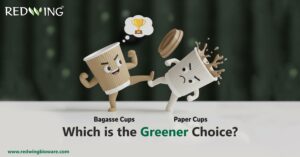
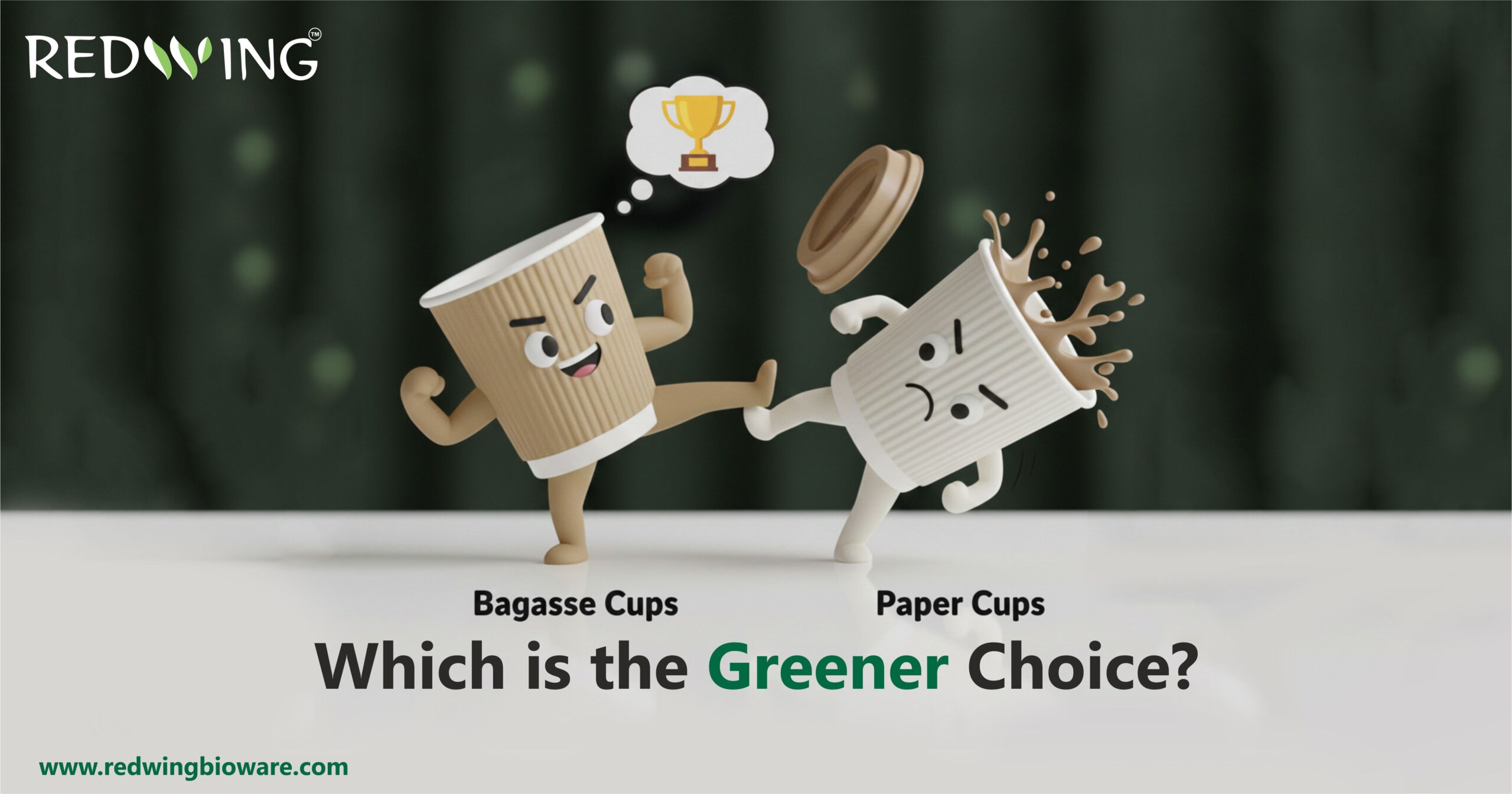
The former clearly emerges as the more eco-friendly option when comparing bagasse and paper cups. Bagasse cups are made from renewable waste materials, require less production energy, decompose quickly, and offer superior performance. In contrast, paper cups, although seemingly green, often involve resource-heavy production and poor recyclability due to plastic linings.
For individuals and businesses committed to sustainability, biodegradable products like bagasse cups represent a meaningful step in reducing environmental impact. Whether you’re a cafe owner, event organizer, or everyday consumer, switching to bagasse tableware is an innovative and responsible choice.
Where to Get the Best Bagasse Products in India
If you’re ready to switch to sustainable, high-quality bagasse tableware, we highly recommend Redwing Bioware. As India’s leading manufacturer of bagasse products, Redwing Bioware offers a wide range of eco-friendly cups, plates, bowls, and containers designed for performance and sustainability. Their commitment to innovation, quality, and environmental responsibility makes them a trusted choice for businesses and individuals.
Choose Redwing Bioware and step toward a greener, cleaner future with durable, dependable bagasse products.
Yes, sugarcane cups—bagasse cups—are generally safe for hot and cold beverages. Made from the fibrous residue of sugarcane, they are free from harmful chemicals, BPA, and synthetic coatings. They are also microwave-safe and do not leach toxins into food or drinks. Because they are biodegradable and compostable, sugarcane cups are a safe and eco-friendly option for everyday use.
While paper cups may seem eco-friendly, they have notable downsides. Most paper cups are lined with a thin plastic film (usually polyethylene) to prevent leakage, making them difficult to recycle. This plastic layer also prevents the cups from breaking down naturally in composting environments. Additionally, their production involves deforestation, high water usage, and chemical treatments, all contributing to environmental harm.
The most environmentally friendly cups, such as stainless steel, glass, or ceramic, are reusable. However, for single-use options, bagasse cups are among the best choices. They are made from agricultural waste, require fewer production resources, and decompose quickly without releasing harmful toxins. Their compostable nature and low environmental impact make them superior to plastic or lined paper cups.
Paper cups may not always be healthy, mainly for hot beverages. The plastic lining can release microplastics or trace chemicals when exposed to heat. Some paper cups may also contain residual chemicals from the bleaching or printing processes.
Businesses are switching to bagasse cups to align with growing environmental regulations and consumer demand for sustainability. Bagasse products reflect a company’s commitment to reducing waste and carbon footprint.
Yes, bagasse cups are significantly better for the environment than paper cups. They are made from renewable sugarcane waste, decompose within 90 days, and don’t require plastic linings. In contrast, paper cups often involve deforestation, high energy consumption, and non-compostable materials.